Studying Documentaries
Define the different sub-genres of documentaries:
Different sub-genres in documentaries are the different types of themes. These shape the messages or influences behind such categories which consist of the following:
Docudrama/Historical:
A docudrama is a hybrid genre of television and film that blends a documentary's factual basis with a drama's dramatic re-enactments and narrative elements to tell a story about real events. By merging factual accounts with dramatic storytelling and reenactments by actors, docudramas aim to inform, educate, and entertain audiences about historical events, social issues, and other true stories in an engaging and compelling way.
Biographic/Autobiographic:
A biography/autobiography subgenre refers to specialized forms of life-writing, such as memoirs, which focus on a specific period or event in a person's life, or auto-fiction, which blends autobiography with fictional elements. Other subgenres can also be categorized by their purpose, like a celebrity's tell-all, or by their subject matter, such as an autobiography of a scientist or a biography of a historical figure. The biography/autobiography subgenre is looked down upon due to its inherent subjectivity and potential for bias or omission, as autobiographies are written by the subject and can present a self-serving narrative, while biographies may be colored by the author's specific intent or limited research.
Nature and Science:
A nature documentary or wildlife documentary is a genre of documentary film or series about animals, plants, or other non-human living creatures. Nature documentaries usually concentrate on video taken in the subject's natural habitat, but often including footage of trained and captive animals, In contrast Science sub genres refers to a documentary that focuses on scientific knowledge, facts, and research findings, often involving scientific experts and institutions in its production. This subgenre can cover natural, applied, or social sciences and aims to explain complex scientific topics to the public through visual and narrative means. Nature and Science documentaries can be looked down upon for various reasons, including oversimplification of complex topics, perceived bias in the presentation of information, perceived elitism or lack of relatability in the scientists featured, and a focus on the "wow" factor over scientific rigor, which can lead to inaccuracies or misleading narratives for dramatic effect.
Ethnographic:
A subgenre of ethnography refers to a specific approach or style within the broader field of ethnographic research, which involves studying people and cultures through direct observation and immersion. Different subgenres focus on various aspects of the research, such as autoethnography, where the researcher reflects on their personal experiences within a culture, or virtual ethnography, which studies communities in digital spaces. Another example is critical ethnography, which emphasizes social issues like power dynamics and inequality. While these subgenres all rely on the core ethnographic method, they differ in focus, context, or the lens through which they interpret cultural phenomena.
Travel:
The Travel subgenre in documentaries focuses on exploring different places, cultures, and people around the world, often through the lens of a host or narrator who travels to various destinations. These documentaries highlight the unique aspects of each location, such as its landscapes, traditions, food, history, and local customs, providing viewers with a sense of immersion in unfamiliar environments. The travel documentary often blends education with entertainment, offering personal experiences, encounters with locals, and insights into the diversity of human life across the globe. It's about showcasing the journey itself, the discoveries made along the way, and the connections between cultures.
Awareness and Advocacy:
Awareness and Advocacy Documentaries are a subgenre of documentaries that aim to inform viewers about important social, political, environmental, or health issues. These films go beyond just presenting facts, they are designed to inspire change, raise awareness, and often encourage viewers to take action. They may highlight injustices, give a voice to marginalized communities, or push for policy changes. Examples include documentaries about climate change, poverty, human rights, or public health crises.
Rockumentary:
Rockumentaries, a blend of the words "rock" and "documentary," focus on rock music and the artists behind it. These documentaries explore the lives, careers, and cultural impact of rock musicians or bands. They often include behind-the-scenes footage, concert clips, interviews, and personal stories. Rockumentaries aim to entertain, inform, and sometimes provide an emotional look into the highs and lows of life in the music industry. They are popular among music fans and serve as both tributes and historical records of influential rock figures or movements.
Defining the different Modes of Documentaries:
Poetic Mode:
Poetic modes in documentaries refer to a style of filmmaking that prioritizes aesthetic, emotional, and sensory experiences over traditional narrative structures or expository approaches. These documentaries often use visual and auditory elements—such as imagery, soundscapes, music, and rhythm—to evoke feelings or ideas rather than convey straightforward information. The goal is to create a meditative or immersive experience for the audience, where the beauty of the visuals and the mood of the piece carry meaning. This approach can break away from traditional documentary techniques like interviews or direct storytelling, focusing instead on metaphor, symbolism, and the mood of the subject matter.
Performative Modes:
Performative modes in documentaries focus on the filmmaker's personal involvement and presence within the narrative. Rather than maintaining an objective distance, the filmmaker often becomes an active participant or subject, blurring the line between reality and representation. This approach emphasizes the emotional and subjective aspects of the subject matter, with the filmmaker's actions, reflections, and interpretations influencing the story. The goal is to create a more intimate, dynamic connection with the audience, highlighting the personal, experiential, and often transformative process of making the film. Performative documentaries may also explore themes of identity, power, and perspective, challenging traditional documentary conventions of neutrality and objectivity.
Reflective Mode:
Reflective modes in documentaries focus on the nature and construction of the documentary itself, often drawing attention to the process of filmmaking. These documentaries acknowledge their own form, prompting the audience to consider how documentaries shape our understanding of reality. Rather than presenting an objective or immersive narrative, reflective films highlight the subjectivity involved in the creation of the work, including the decisions made by the filmmaker. This can involve direct commentary on the filmmaking process, the ethics of representation, or the limitations of the medium. The reflective mode encourages viewers to think critically about the construction of truth in documentary filmmaking, challenging assumptions and revealing the inherent biases and subjectivity of the form.
Expository Mode:
Expository modes in documentaries are focused on informing or persuading the audience through a clear, structured narrative. These documentaries often use a voiceover commentary or a guiding narration to explain facts, present arguments, or provide a logical progression of ideas. The tone is typically authoritative and educational, aiming to clarify or shed light on a particular issue, event, or topic. Visuals in expository documentaries are often used to support the voiceover or to illustrate key points, with a strong emphasis on factual accuracy and objectivity. This mode is commonly seen in documentaries that seek to educate, raise awareness, or advocate for social, political, or environmental change.
Observational Modes:
Observational modes in documentaries aim to capture reality as it unfolds, with minimal interference from the filmmaker. Often referred to as "fly-on-the-wall" filmmaking, this approach emphasizes direct, unmediated observation of people, places, or events, allowing the audience to experience the subject matter in a natural, unscripted way. The filmmaker typically avoids narration, interviews, or any overt direction, allowing the actions and interactions of the subjects to speak for themselves. The goal is to create an authentic, raw representation of life, where the camera becomes a passive observer of the world, offering viewers an unfiltered glimpse into everyday experiences or significant moments.
Participatory Modes:
Participatory modes in documentaries emphasize the interaction between the filmmaker and the subjects, with the filmmaker actively engaging in the events or experiences being documented. Rather than maintaining a detached or observational role, the filmmaker becomes an integral part of the story, often directly influencing or interacting with the people or situations being portrayed. This approach highlights the relationship between the filmmaker and the subjects, emphasizing shared experiences, conversations, and collaboration. The participatory mode seeks to break down the barrier between observer and observed, offering a more dynamic and often intimate perspective on the subject matter. It allows the audience to witness not just the story but the process of filmmaking itself.
Visual Elements of Identity
Elements of Campaign's Visual Identity:
A campaign's visual identity consists of several key elements that work together to create a cohesive and recognizable look. These include the logo, color palette, typography, imagery style, and graphic elements. The logo acts as the campaign's symbol, while the color palette sets the tone and emotion. Typography ensures consistency in written content, and the imagery style defines the visual aesthetic. Graphic elements, like icons or patterns, support the overall design. When combined, these elements help communicate the campaign's message effectively and make it memorable to the audience.
Purpose of an Identity:
The cause they're after:
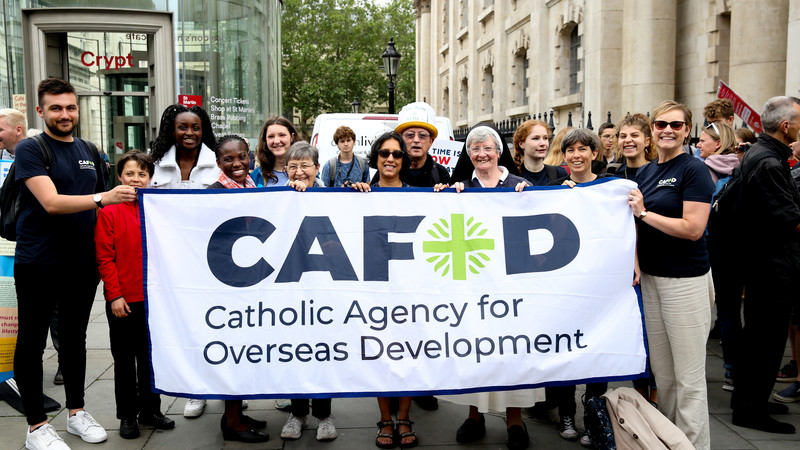
The cause for a campaign is what they're fighting to achieve what they desire, through pushing their agenda in more than one way. This is typically done through expressing such on social media, obtaining a website detailing your cause, emails, usage of ads whether it's google ads or a small 10 second segment, holding in-person events like conventions or protests, concerts, workshops etc and virtual events. CAFOD ,Catholic Agency for Overseas Development, is an example of a campaign that advocates for social justice and addresses global poverty. By partnering with local communities, CAFOD works to improve access to clean water, education, and healthcare while raising awareness about climate change's impact on the world's most vulnerable populations. Through campaigns such as "Share the Journey," CAFOD encourages individuals to stand in solidarity with refugees and migrants, highlighting the importance of compassion and collective action to create a fairer world for all.
Why use an Identity in Campaigning:
Blender Intro
Today, we explored Blender for the first time, a 3D animation program used to create visual content by manipulating various shapes. Initially, when it was introduced and demonstrated to us, I found it quite complex and hard to understand, especially since it was my first experience with it and I wasn’t even familiar with what Blender was before. We were tasked with creating trees, but I had no idea where to start. The instructional slides didn’t help much either, so I asked a classmate for guidance. With their help, I was able to put together a basic tree using just one cone, which I stretched to make it look taller, rather than using three cones like some of my classmates did.
Promoting a social campaign
What is a Social Campaign:

What advertising techniques will be useful when crafting a Social Campaign:

A multi-channel approach, spreading the message across social media, TV, radio, and events, maximizes reach. Finally, repetition and consistency reinforce the campaign’s goals and help build long-term recognition. Together, these techniques make social campaigns more engaging, persuasive, and effective.
CAMERA SHOTS


What is Editing?
Editing is a post production process which happens just before finalising the production or Final Cut. Editing is also crucial for constructing a film as it sets the tone, atmosphere and narrative. Editing can manipulate film in a practical sense with the audience. For example the Kuleshov Effect, this pushes narrative editing, using the same footage to express subjective emotions from the audience.
Rule of Editing:
The rule of editing is about carefully reviewing and improving a piece of writing to make it clear, accurate, and easy to read. It involves checking for mistakes in grammar, spelling, and punctuation, as well as making sure the ideas are organized and flow smoothly. Following this rule helps ensure that the final writing is polished and effective in communicating its message.
The purpose of Transitions:
In filming, transitions are techniques used to move smoothly from one scene or shot to another, helping to connect different parts of the story. They can be visual, like cuts, fades, dissolves, and wipes, or audio-based, such as sound bridges. Transitions help show changes in time, location, or mood, and can also create emphasis or build suspense. For example, a fade to black might signal the end of a scene, while a quick cut can create a sense of urgency. Using transitions effectively helps maintain the flow of the film, keeps the audience engaged, and enhances storytelling by making the sequence of events clear and interesting.
How are editing techniques used in combination to make harmonious edits
Editing techniques used in combination can create a harmonious edit by seamlessly blending visuals, sound, and pacing to support the story or message. When cuts, transitions, sound design, and rhythm work together thoughtfully, they enhance the flow and emotional impact, making the sequence feel natural and engaging. This unity helps the audience stay immersed, as each technique complements the others rather than distracting or breaking the continuity. Ultimately, a well-balanced mix of editing tools crafts a smooth, coherent experience that resonates on both an intellectual and emotional level.
The Constructivists
What is Constructivism?
Constructivism is an artistic and architectural movement that originated in Russia around 1913, emerging as part of the broader avant-garde revolution during the early 20th century. It was developed by artists like Vladimir Tatlin and Alexander Rodchenko who sought to break away from traditional, decorative art forms and instead focus on art as a practice for social purposes. Constructivists emphasized abstract, geometric forms and aimed to create functional, practical designs that could serve the needs of the new socialist society after the Russian Revolution of 1917. Their work extended beyond painting and sculpture to architecture, graphic design, and industrial design, promoting art as a tool for social change and collective progress rather than individual expression.
Examples:
Taltins Tower:

Designed by Vladimir Tatlin between 1919 and 1920, this design was intended as a colossal symbol of modernity and revolutionary spirit. The tower was meant to be a functional headquarters for the Communist International (Comintern), featuring rotating geometric volumes made from industrial materials like iron, glass, and steel. Its dynamic, spiraling structure symbolized progress and the fusion of art and technology. Although it was never built due to technical and financial challenges, Tatlin’s Tower became a powerful symbol of the avant-garde and the revolutionary optimism of post-revolution Russia.
Rodchenko's Poster

Rusakov Worker's Club

Opinion:
I personally like the last one out of the three artworks because of the deeper meaning behind it as it acknowledges the power in unity and resilience. Bringing the working class, which is the economy's main source of income, together as a community showing them they are compulsory for the nations growth. It's a constant reminder that they can overcome all, if they stand together also alluding to patriotism, wanting the best for the country and the people.
Surrealism
What is Surrealism?
Surrealism is an influential artistic and literary movement that began in the early 1920s in Europe, particularly in France. It was officially founded by French writer André Breton, who published the Surrealist Manifesto in 1924, outlining the movement’s goals and philosophy. Surrealism aimed to unlock the creative potential of the unconscious mind by exploring dreams, fantasies, and the irrational. It often featured bizarre, dreamlike imagery, unexpected juxtapositions, and illogical scenes that challenged conventional thinking and reality. The movement was deeply influenced by the psychological theories of Sigmund Freud, especially his ideas about dreams and the subconscious. Surrealism emerged partly as a reaction to the trauma and disillusionment caused by World War I, with artists and writers seeking new forms of expression that could reveal deeper emotional and psychological truths beyond surface appearances.
Why's Surrealism used in Campaigns?
Surrealism is often used in advertising campaigns because its striking and unexpected imagery captures attention and sparks curiosity, making messages more memorable. By tapping into the subconscious and using dreamlike, imaginative visuals, surrealism can create strong emotional connections and provoke thought in ways that straightforward advertising may not. This approach helps brands stand out in a crowded market by presenting their products or ideas in unique and surprising ways. Additionally, surrealist elements can evoke creativity and innovation, which aligns well with campaigns aiming to inspire or challenge conventional thinking. Overall, surrealism’s ability to blend reality with fantasy makes it a powerful tool to engage audiences on a deeper, more imaginative level.
Who's Creation caught my eye?

The man in the picture presented is Michal Batory he's a contemporary Polish artist known for his vibrant and colorful paintings that often explore themes of nature, human figures, and abstraction. His work combines figurative and abstract elements, creating dynamic compositions with rich textures and bold colors. Batory’s art has been exhibited internationally, and he is recognized for his unique style that blends expressive brushwork with vivid imagery.

Batory's work is celebrated for its innovative approach, blending photography, sculpture, and drawing to create compelling visual narratives. His posters often carry a provocative edge, characteristic of the Polish School of Posters, which emerged in the 1950s as a form of artistic resistance to censorship.
In a 2020 interview, Batory shared his personal connection to Łódź, recalling his upbringing and education in the city, including attending the Liceum Sztuk Plastycznych and the Academy of Fine Arts. He mentioned that his departure from Poland was influenced by political challenges, particularly his family's connections to dissident movements, which made it difficult for him to obtain a passport. His eventual move to France allowed him to pursue a career in graphic design, where he gained
international recognition.
Making a low poly figure with Blender
I recently used Blender to create a low poly figure, and while it was an exciting project, I found the process pretty challenging. Navigating the app was one of the hardest parts.
Blender’s interface is quite overwhelming at first, with so many tools and shortcuts to remember. I had to spend quite a bit of time figuring out the basics, like how to select and manipulate objects properly. The difficulty in getting the shapes to come together smoothly and understanding the mesh editing also made the whole thing a bit frustrating. But, after some trial and error, I managed to get the low poly model looking decent, even if the process wasn’t as smooth as I’d hoped.
Blender’s interface is quite overwhelming at first, with so many tools and shortcuts to remember. I had to spend quite a bit of time figuring out the basics, like how to select and manipulate objects properly. The difficulty in getting the shapes to come together smoothly and understanding the mesh editing also made the whole thing a bit frustrating. But, after some trial and error, I managed to get the low poly model looking decent, even if the process wasn’t as smooth as I’d hoped.

Making a coin on Blender
I used Blender to create a coin model, but since I didn’t have a computer of my own, I had to share with my classmate Zayna. This made the process a bit more challenging, especially because neither of us was very familiar with how to use the app. We struggled at first trying to understand the different tools and features in Blender, and it took some time to get used to the interface. There were moments when we felt stuck or confused, especially with shaping the coin and adding the right textures. However, with good teamwork and patience, we supported each other through the process. Thankfully, our teacher, Miss, was very helpful and guided us step by step, showing us how to navigate the software and 0explaining how to use certain tools. In the end, we were proud of our finished coin model and felt accomplished for pushing through the difficulties.

Student Documentaries
HAPPY - A Mental Health Documentary:
The documentary begins with a voiceover that serves to introduce the central theme, providing the audience with a concise yet informative overview of what the film will explore. This is followed by a presentation of factual information regarding the various forms of depression, which deepens the viewer’s understanding of the condition and its complexity. A key documentary convention employed is the use of interviews, where individuals openly discuss their personal experiences with depression and how they managed to overcome it. These testimonies highlight the deeply personal and varied nature of depression, emphasizing that each person’s emotional journey is shaped by unique circumstances, thoughts, and feelings.
Just Skate - A Skateboarding documentary
This documentary focuses on the subject of skateboarding and adopts an expository mode, characterized by the use of a voiceover to convey information. The narration provides historical context by explaining how skateboarding evolved into a recognized sport. A key documentary convention utilized is the inclusion of interviews, in which various individuals are asked about how they became involved in skateboarding and how long they have been practicing it. These personal accounts are complemented by dynamic footage showing the participants as they learn and perform skateboard tricks, visually illustrating their progression and dedication to the sport.
Maria's Documentary
This documentary explores the personal experiences of individuals who have moved to a new country and had to adapt to speaking a different language. It can be identified as employing a performative mode, as it emphasizes the emotional journeys of the participants, allowing them to express how they felt during this significant transition and how their lives were affected. A key convention used in the documentary is the interview format, with each person being interviewed individually to share their unique story. Additionally, a technical convention present is the use of lighting, which varies depending on whether the participants filmed themselves using a phone, camera, or in different environments. This variation in lighting adds authenticity and reflects the diverse contexts in which each story was captured.
Social Issues Surreal Poster
In a surreal exploration of Irish identity, the vibrant tapestry of Irish pride and the unwavering sense of community shine through a history marked by centuries of British oppression and struggle. The strong-willed Irish mentality, steeped in resilience, defiance, and hope, has shaped a nation that refuses to be broken. Central to this identity are Ireland’s deep Catholic roots, which have long influenced not only spiritual life but also cultural traditions and social values. The legacy of faith is woven through moments of joy and hardship alike, reinforcing a collective strength. Celebrations such as St. Patrick’s Day transcend mere festivity, they become powerful expressions of tradition, culture, and shared memory. In this surreal social landscape, Irish identity is a living mosaic, an unyielding spirit fueled by history, community bonds, and a fierce pride that refuses to let the past be forgotten, reminding all that the soul of Ireland is both timeless and transformative.
When I think about brainstorming posters around Irish identity and everything we talked about, like Irish pride, that strong sense of community, overcoming British oppression, and the deep Catholic roots, I imagine blending bold and meaningful visuals that really tell a story. For me, starting with iconic symbols like the shamrock or Celtic knots feels powerful, but mixing them with images that show resilience, like hands gripping tightly or a sunrise breaking through stormy skies, could capture that strong-willed Irish spirit I want to highlight. I could also weave in subtle references to faith, like stained glass patterns or crosses, to honor the deep Catholic traditions that shape so much of Ireland’s culture. It’s all about creating something that feels both personal and universal, something that sparks pride and connection while reminding people of the history and strength behind it. I’m thinking about whether to make it vibrant and eye-catching, or maybe a bit more thoughtful and symbolic.
Designers and Social Issues
David Gentleman’s graphic art posters stand out for their bold simplicity, refined use of color, and strong sense of composition. Often created for public institutions like British Rail and the Royal Mail, his work combines traditional techniques such as wood engraving with modern design sensibilities. What makes his posters distinctive is their ability to communicate complex ideas or evoke a sense of place using minimal but evocative imagery. His keen attention to detail and masterful balance between illustration and typography give his posters a timeless, elegant quality that continues to influence graphic design today

Bruce Mau’s graphic art posters stand out for their bold experimentation, conceptual depth, and striking use of typography. Known for pushing the boundaries of design, Mau often blends visual art with critical thinking, turning posters into platforms for ideas as much as visuals. His work is characterized by unconventional layouts, dynamic text treatments, and a willingness to disrupt traditional design norms. What makes his posters truly distinctive is their intellectual engagement, each one invites the viewer to not just look, but to think, question, and interact with the message behind the design.


Adbusters’ graphic art posters stand out for their provocative, anti-consumerist messages and raw, impactful visuals. Designed to challenge mainstream media and corporate culture, these posters often use subversive imagery, bold typography, and stark contrasts to grab attention and spark critical thought. What makes them distinctive is their ability to turn familiar advertising language against itself, creating powerful visual critiques that confront issues like environmental destruction, consumerism, and political apathy. Each poster feels like a visual protest urgent, disruptive, and designed to make viewers pause and question the world around them.


Secondary Research Analysis
Neil Clerkin’s Act of Union is an independent documentary that blends contemporary interviews with archival footage to explore the complex and contested history of the Northern Ireland Troubles. Featuring voices from former IRA and Loyalist paramilitaries, British soldiers, victims, and political commentators, the film avoids offering a single authoritative narrative. Instead, it places the viewer within a landscape of competing memories and perspectives, highlighting how the legacy of partition and political division continues to shape identity in Northern Ireland a century later.
A central strength of the film lies in its focus on lived experience and emotional truth. By foregrounding trauma, grief, and personal testimony, Act of Union emphasizes how the Troubles are not simply past events but ongoing influences in the lives of individuals and communities. The blend of archival material with new conversations reinforces the idea that history is both remembered and reinterpreted, and that reconciliation requires acknowledging multiple, sometimes contradictory, narratives.
However, the documentary’s limited runtime means it cannot delve deeply into every structural or historical factor behind the conflict, and some voices inevitably receive less attention. Nevertheless, its balanced presentation and independence from institutional influence make it a valuable contribution to public historical discourse. In a period of renewed discussion about Irish reunification, Clerkin’s film reminds viewers that understanding the Troubles requires engaging with the full spectrum of experiences and interpretations that continue to shape Northern Ireland’s political future.

Ethical Filmmaking in Documentary
In Sacha Baron Cohen’s Who Is America? segment with the “Kinder Guardians,” the ethical dilemmas become especially sharp because the comedy hinges on persuading real political figures and advocates to endorse giving firearms to children. While the skit is designed to expose the extremity of certain pro-gun positions, it does so by using deception, emotional manipulation, and manufactured scenarios that participants believe to be genuine. The underlying issues involve consent, the potential reputational harm to those who were duped, and the question of whether the social value of exposing dangerous ideologies justifies the methods used. In my view, the segment succeeds in revealing how easily some people can be led to support deeply irresponsible policies, which is societally important, but it also raises concerns about whether comedy should rely on misleading individuals into public embarrassment. The balance between satire as a tool for truth and the ethical treatment of its subjects is extremely delicate here.
Social Issue Campaign Poster
For my social issues poster on poverty, I wanted to create an image that captures the deep emotional and spiritual struggle faced by so many people living on the margins of society. I chose to portray a bearded, scruffy man, clearly homeless, kneeling in the dirt and grime of the streets. His clothes are torn, his hands are rough, and his face carries the weariness of someone who has lived through more than most of us could imagine. Yet, despite all this, he’s looking upwards, not with anger, but with a quiet, desperate kind of hope. His eyes search the sky as if asking for something more, something beyond the pain, a sign, a reason to keep going. This gesture of looking up is powerful to me, it suggests reliance not on the world, which has failed him, but on something higher, something more eternal.
Around his neck hangs a simple rosary, worn but still intact. That detail was incredibly important to me, because it reflects how often faith and spirituality are the last things people can hold onto when everything else has been stripped away. In many poorer communities, religion becomes not just a belief system but a source of daily strength, shared hope, and human connection. It represents the one thing that remains untouched by poverty. The rosary here symbolizes a lifeline, a silent prayer, and a reminder that even when society turns its back, some still look to God and to each other for comfort.
This man’s posture, on his hands and knees, in the filth, isn’t just about physical suffering. It symbolizes the emotional and psychological toll poverty takes on people. It speaks to how we, as humans, often endure hardship, push through pain, and still come out on the wrong end of the stick. Life keeps moving, but for many, it doesn’t seem to get better. The system fails them, opportunities disappear, and still, they survive. There’s a painful beauty in that resilience.
With this poster, I wanted to challenge viewers to see beyond stereotypes and statistics, to see the human being behind the hardship. I wanted them to feel uncomfortable, but also connected. This image isn’t just about one man, it’s about millions. It’s a call to empathy, to awareness, and hopefully, to action.
Photography Week 1
Spending a week working with cameras was an incredibly rewarding experience that pushed me creatively and technically. I started by experimenting with different shooting modes and gradually got a better grasp of camera settings like aperture, shutter speed, and ISO. As my understanding deepened, I felt more in control and confident behind the lens. Once I was comfortable, I transitioned to using a DSLR, trying out two different lenses to explore the variety of shots I could achieve, from crisp portraits to wide-angle scenes. This hands-on experience not only strengthened my skills but also boosted my confidence in my creative abilities. It broadened my field of knowledge and opened up new possibilities for how I approach visual storytelling.


Overall, I really enjoyed the entire experience of working with cameras. It was both challenging and exciting, and it made me eager to keep learning and experimenting. I’m definitely looking forward to doing it again, diving even deeper into the art and technique of photography in Week 2.
Photography Week 2
Week 2 of photography is finally here, and I’m really excited to build on the skills I picked up last week. During week 1, I learned how to use the aperture setting on my camera, which opened up a whole new world of creative possibilities. Understanding how aperture controls the amount of light entering the lens and affects the depth of field has been a game-changer. I can’t wait to experiment more with these effects, like creating beautiful backgrounds that are either sharply in focus or beautifully blurred, to add more mood and emphasis to my photos. Bringing these skills into this week’s lessons feels like a great step forward in my photography journey.


During week 2 of my photography experimenting, I was able to use the camera more efficiently and effectively, which really boosted my confidence in operating it independently. With the help of my classmate Ishua, I learned how to work with different lenses, which added a lot of variety to my shots. Ishua showed me how changing lenses can dramatically affect the mood and atmosphere of a photo, teaching me to think more creatively about composition, depth, and lighting. For example, using a wide-angle lens helped me capture expansive scenes with more context, while a prime lens allowed for sharper focus and beautiful background blur, enhancing the emotional impact of my images. His hands-on tips and patient explanations made it easier to experiment without feeling overwhelmed. Thanks to his guidance, I’m feeling much more comfortable handling the camera on my own, more aware of how to manipulate settings for different effects, and excited to keep pushing my creative boundaries in photography.
Camera Shot Sizes and Angles Experimentation
Experimenting with different camera shot sizes and angles has become a fascinating way for me to tell a story visually. I particularly love using low-angle shots because they create such a powerful, tense atmosphere, making subjects feel larger-than-life and often evoking a sense of dominance or looming danger. It also adds a layer of depth to the scene, drawing attention to the surroundings and making the viewer feel more immersed in the environment. The way camera angles can shift the perception of a moment, elevating the emotional impact of a scene, is something I really enjoy exploring. It’s all about finding the right angle to match the mood and message I want to convey, and I find that low angles do this so effectively, intensifying both the action and the viewer's connection to the moment.
Close ups:
Close-ups are one of my favorite techniques because of how effective they are at telling a story or creating an emotional connection. By focusing on a character’s face or a specific detail, close-ups allow the audience to really feel the intensity of the moment and draw them into the character’s world. The subtle expressions or small gestures that might otherwise go unnoticed become the focal point, making the viewer more intimate with the scene. I love how close-ups can convey so much emotion with just a single glance or a slight change in expression, creating a deeper, more personal connection between the audience and the characters. It’s a powerful tool for enhancing the emotional weight of a story. In a way, close-ups strip away the noise, letting the raw emotion or the significance of a single moment take center stage. Whether it’s a tear rolling down a cheek, a nervous twitch, or the tension in someone’s eyes, these small details can speak volumes. It’s almost like you’re letting the audience peer into the character's soul, which makes every gesture feel more intentional and every moment feel more profound.
Medium-long shot:
Medium long shots are an important tool in filmmaking because they strike a perfect balance between showing the characters and their environment. I find them especially useful for emphasizing the setting while still keeping the characters clearly visible and relatable. This type of shot allows the audience to see how the characters interact with their surroundings, which can add layers of meaning to the story. It’s not just about the people in the frame, but also about where they are and how the environment shapes their experience. Medium long shots help create a sense of place and context, grounding the narrative and making the world feel more real and immersive. By including both the characters and enough of the background, these shots offer a more complete visual story, making the environment almost another character in the scene.
How to frame an interview Subject
When interviewing our subjects, we carefully considered which camera angles and techniques would best capture the conversation and the emotions being expressed. We chose to use an over-the-shoulder shot and followed the 180-degree rule to maintain spatial consistency and a natural flow between the interviewer and the interviewee. Using a medium shot, framed from the chest upward, helped centre the attention on the interviewee, allowing the audience to focus on their expressions and subtle body language while still providing a sense of the environment around them. To enhance the visual quality and make the interviews look more cinematic, we experimented with the camera’s advanced features such as depth of field and aperture settings. By adjusting the aperture, we created a soft, blurred background that drew the viewer’s attention directly to the subject, giving the frame a clean and professional look. We also paid close attention to lighting and composition to ensure the scene felt natural yet visually engaging. These choices helped convey the subject’s personality and emotions more effectively, making the audience feel more connected to their story. The combination of thoughtful camera angles, consistent framing, and technical precision really elevated the overall production quality of the interview.
We had a lot of fun recording and interviewing different people.
3 Point lighting Experimentation
Three point lighting is one of the fundamental lighting technique used in photography, film, and video production to create balanced and visually appealing images. It involves three main light sources. The key light, which is the primary and brightest light that defines the subject’s shape, the fill light, which softens and reduces shadows created by the key light and the back light, or rim light, which shines from behind the subject to create separation from the background and add depth. When used together, these three lights give subjects a natural, professional, and three dimensional look.
Three point lighting can be adapted when using the lighting method on someone of a darker skin complexion than a lighter one. This could also add depth as well as contrast, detail and colour.
KBC - Campaign Project
Our campaign focuses on tackling the growing litter problem in Britain, a challenge that affects communities, wildlife, and the overall beauty of our shared spaces. Working together as a team, Zayna, Dayo, and I set out to raise awareness and inspire action among people of all ages. Zayna led the creative direction for our poster, designing a bold and eye-catching visual that highlights the urgency of the issue. Her work sets the tone for our message and invites the public to think more carefully about the impact of their waste.
Meanwhile, Dayo and I have taken charge of filming a short documentary that will bring real voices and real stories to the screen. Through interviews, on-location shots, and clear examples of how litter affects our environment, we aim to show that small actions, like properly disposing of rubbish, can make a significant difference. Our documentary carries the slogan “Keep Britain Clean”, a simple but powerful reminder that protecting our surroundings is everyone’s responsibility. Together, our campaign combines creativity, storytelling, and a shared commitment to making Britain cleaner for the future.
To strengthen the message of our documentary, we conducted both primary and secondary research. Our primary research involved interviews with local residents, college students, and community individuals, which gave us firsthand insight into how littering affects different areas and the people who live there. For our secondary research, we carried out extensive digging into articles, reports, and campaigns focused on litter and environmental protection across Britain. This combination of real experiences and well-supported information helped shape the direction of our campaign and ensured that our message is both credible and impactful.
Evaluation:
Overall, I believe the campaign we had focused on was interesting and thought provoking, especially the piece we produced. Going for a meditative approach in our promo video, invoking the mind to ponder on the effects of littering. For our research we heavily used 'Plano.gov' which provided us with great points such as littering destroys the environment and wildlife, causing soil, water, and air pollution. Harmful chemicals and microplastics leach into soil and waterways, making them unsafe for all living creatures. Discarded items like cigarettes or other flammable materials can easily ignite, leading to dangerous fires. Animals often mistake litter (like plastic, cigarette butts, or balloons) for food. Discarded waste can serve as breeding grounds for insects and rodents, which can transmit diseases to both animals and humans. I strongly feel our poster and video can put the point across as it also encourages you to take care and pride in the cleanliness of your home. Your Country. Our Country. Regarding the recording, I think the relaxed ambience pushed our narrative across for a thought provoking campaign and using personal pronouns like 'you' can also create unity and common ground, emphasising a strong sense of community and power of the people. It's up to us. We've had minor problems with video such as losing the file and having make another with a few changes, the video's style was created through selective editing forming smooth and consistent videography. Editing was actually a lot of fun despite having difficulties with premier pro however since editing, I've grown fund of the editing app as it no longer seems overwhelming and tricky but almost straight forward to use.
Barnardo's Campaign
Barnardo's is a children's charity organisation established in the east end of London, 1866. The charity has emerged and stuck around for an extensive period of time and having witnessed the lack of health and security surrounding infants at the time, the founder Stepheny Causeway decided to take action and attempt to bring an end to the mistreatment and cruelty directed towards children.
The Campaign shown is very insightful and thought-provoking through its use of imagery and description. Seeing photos like those presented creates a 'wow' factor, immediately catching the attention of the viewers. It's captivating, makes you think about your living standards compared to others and consider how lucky you are that you're not in a choke hold like the poor children, this also creates a sense of resilience towards child abuse victims; creating a strength in suffering narrative as well as giving


No comments:
Post a Comment